

Bringing Invisible Symptoms to Light
Understanding CIRS
Chronic Inflammatory Response Syndrome

Invisible Symptoms, Real Struggles
Imagine waking up already exhausted, another night of broken, restless sleep. Struggling with memory, focus, mood swings, or dealing with pain, anxiety, digestive issues, and hearing the same dismissive lines, over and over again:
“Your labs look fine.”
“There’s no obvious cause.”
“Maybe it’s just stress.”
This is the lived experience of many navigating Chronic Inflammatory Response Syndrome (CIRS) and environmental sensitivities.
Yet these conditions are real. They’re measurable. And they affect millions.
You're Not Alone. And You're Not Imagining It
24% of the population may carry a genetic susceptibility to biotoxins.
50%+ of U.S. buildings have water damage that can harbor mold and microbial overgrowth.
By the final step of the Shoemaker Protocol, most patients have already had at least 75% of their baseline symptoms reduced or resolved.
These numbers tell a powerful story:
Environmental illness is real. It’s widespread.
And when seen clearly, it’s treatable.
What is CIRS?
Chronic Inflammatory Response Syndrome (CIRS) is a complex, multi-system condition triggered by exposure to environmental biotoxins, most often from water-damaged buildings.
In genetically susceptible individuals, these biotoxins can trigger the immune system to overreact, leading to chronic inflammation and widespread dysfunction across multiple systems.
Common Triggers Include:
Mold & mycotoxins
Actinomyces (bacteria in dust)
Endotoxins from gram-negative bacteria
Lyme disease & co-infections
Cyanobacteria (blue-green algae)
Environmental toxins, & some patients also report sensitivity to EMFs, though this is studied separately from biotoxin illness
What CIRS Often Feels Like
CIRS rarely shows up as one clear symptom. Instead, it presents as a constellation of signs that may seem unrelated:
Persistent fatigue & energy crashes
Brain fog, poor memory, or trouble concentrating
Muscle and joint pain
Mood shifts, anxiety, or depression
Digestive issues & food sensitivities
Frequent headaches or sinus congestion
Sleep disturbances & unrefreshing rest
Because symptoms are so wide-ranging, many people are misdiagnosed with:
Chronic Fatigue Syndrome
Fibromyalgia
Autoimmune conditions
Depression or early-onset dementia
Or told there’s “nothing” wrong
Less Common, But Very Real Symptoms
CIRS can also show up as neurological and sensory symptoms that are often misunderstood:
“Brain on fire” sensations (burning or pressure)
Ice-pick or stabbing cranial pain
Static shocks or strange sensitivity to electronics
Crawling, tingling, pins & needles or buzzing skin
Heightened sensitivity to light, sound, or smell
Feeling “wired and tired,” exhausted but overstimulated
Difficulty finding words, reading, or tracking conversations
Unexplained dizziness or visual distortions
Even the symptoms that seem strange or disconnected often fit a larger, recognizable pattern.
These patterns matter. They tell a story. And that story can guide your next step.
Neurological Distress: When the Brain Feels on Fire
For many living with CIRS, neurological symptoms are some of the most distressing and confusing.
You may feel a burning pressure behind your eyes. Sudden, stabbing headaches. Electric overstimulation that won’t calm down. Or a strange fog that makes it hard to speak, read, or feel fully present. Some describe it simply as, “My brain is on fire.”
This is neuroinflammation. A real, measurable response to hidden biotoxins. The good news? It’s often reversible.
With the right support and a commitment to healing, these symptoms can improve, sometimes dramatically. Minds clear. Energy returns. Speech, memory, and connection restore. This is about reclaiming.
Biology Can Evolve
So if your brain feels wired, inflamed, or shut down, this isn’t just in your head. It’s in your biology. And biology can evolve.
Your body isn’t failing. It’s adapting. Responding to what it’s been exposed to. It’s capable of recalibrating, step by step, when given the chance.
Your biology is wise. It's communicating. And when we learn how to listen, healing becomes possible.
Healing doesn’t happen through pushing. It happens through permission.
When we stop overriding the signals and start honoring them, the body doesn’t need to be convinced. It just needs space to do what it already knows how to do.
How Did We Get Here?
Modern life exposes us to a cocktail of stressors our bodies were never designed to handle:
Poorly ventilated homes and offices
Hidden mold and bacterial overgrowth
Chemical pollutants and VOCs
Persistent EMF exposure
A medical system still catching up
When these exposures intersect with genetic vulnerability, trauma history, or immune dysregulation, the result can be chronic, invisible illness.
The Turning Point: Biomarker Testing
For decades, millions suffered with unexplained chronic illness, dismissed, misdiagnosed, and told nothing was wrong.
That began to change in the late 1990s when Dr. Ritchie Shoemaker, a family physician on Maryland's Eastern Shore, started treating patients sickened by exposure to Pfiesteria piscicida, a toxic organism in local waterways that was making fishermen and watermen mysteriously ill.
What others dismissed, he investigated. What conventional medicine couldn't explain, he measured.
Through careful observation and rigorous research, Dr. Shoemaker identified the biological mechanisms of biotoxin illness and eventually connected these same patterns to patients exposed to water-damaged buildings. His work established CIRS as a legitimate, measurable, treatable condition and gave a name to what had been invisible for so long.
Today, the Shoemaker Protocol is the only CIRS treatment with documented clinical efficacy in the published literature, and his research has helped thousands reclaim their health.
One of the simplest screening tools is the Visual Contrast Sensitivity (VCS) test, which measures neurological function affected by biotoxin exposure. It's quick, free, and you can take it from home. The screening includes Dr. Shoemaker's Symptom Cluster Analysis, so you get both together. That pairing is what makes it telling. In Dr. Shoemaker's clinical data, someone with a multi-system symptom pattern who also fails the VCS has roughly a 98.5% likelihood of CIRS. A pass isn't a clean bill of health, though. About 8% of people with CIRS pass it, so if the pattern fits you, keep going.
Key Tests Used in Diagnosing CIRS
VCS (Visual Contrast Sensitivity): A simple neurological screening that can indicate biotoxin exposure, and the online versions include the Symptom Cluster Analysis. Together, they carry real weight: in Dr. Shoemaker's clinical data, a multisystem symptom pattern paired with a failed VCS raises the likelihood of CIRS to around 98.5%. About 8% of people with CIRS still pass the VCS test, so a pass isn't a clean bill of health.
Symptom Cluster Analysis: Dr. Shoemaker's 13 symptom clusters, developed after the 1996 Pfiesteria outbreak in Maryland's waterways and patented in 2017. You count how many of the 13 clusters you're living with right now. Eight or more for anyone 11 or older warrants testing. Six or more is reason to look further, and six is the threshold for children under 11. It's free, it takes a few minutes, and it's where most people start.
HLA-DR Gene Test: Identifies genetic susceptibility to biotoxin illness. About 24% of the population carries these "CIRS susceptible genes."
GENIE (Gene Expression: Inflammation Explained): A newer test that shows how your genes are expressing across the domains involved in CIRS. Especially useful when it's unclear what's driving your symptoms.
C4a: Elevated levels indicate immune activation from biotoxin exposure.
TGF-beta1: Marker of chronic inflammation and immune dysregulation.
MSH (Melanocyte-Stimulating Hormone): When low, it affects energy, sleep, mood, pain perception, and immune function.
MARCoNS: A nasal swab identifying antibiotic-resistant staph bacteria common in CIRS patients.
These labs bring clarity to what once felt confusing. They offer a map.
Real Hope. Real Recovery.
Yes, healing is possible. And it begins by addressing the root cause.
Core Pillars of CIRS Recovery
Environmental Remediation
Identify and remove sources of exposure, mold, Actinomyces, mycotoxins, and endotoxins.Detoxification Support
Use binders, nutrients, and gentle supports to safely, sustainably, and at your pace guide the body's natural detox process.Immune System Rebalancing
Address infections, reduce inflammation, and guide immune function back to balance.Nervous System Regulation Support
Limbic system recovery through breathwork, neuroplasticity, and somatic healing.
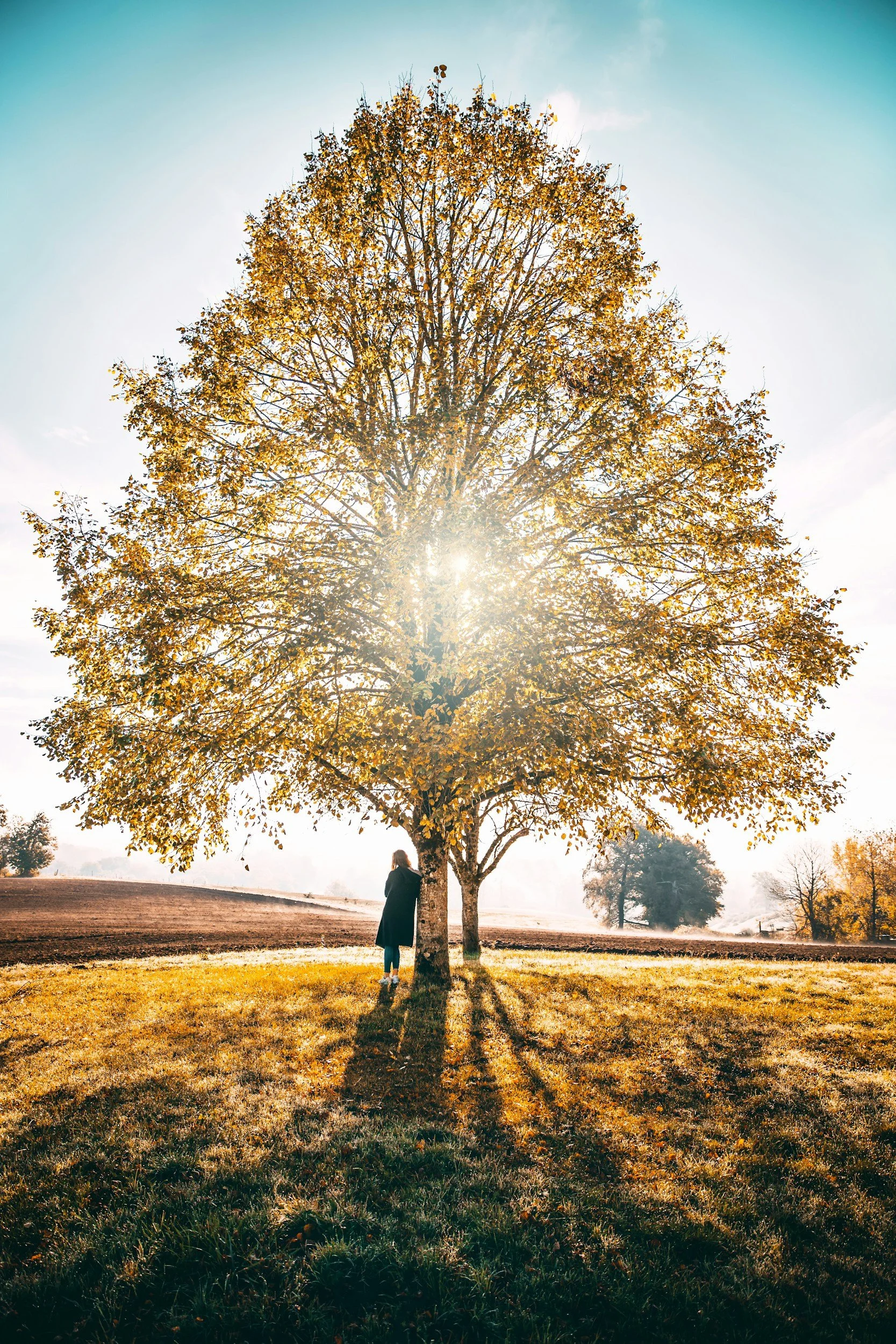
Together Toward a Healthier Future
Whether you’re newly exploring CIRS or have been walking this path for years, your story matters.
When we honor environmental sensitivities, we:
Raise awareness
Shorten the time to diagnosis
Create safer homes and workspaces
Support a more compassionate, informed medical system
Help build a future that protects both the body and the planet
You Are Not Your Diagnosis
You’re not your labs.
You’re not too sensitive.
And you’re never alone in this.
There is a path forward, grounded in science, guided by self-trust, and made possible through clarity, community, and care.
Explore Your Next Step…
A 20-page orientation: how to assess your symptoms and the tests that find what standard labs miss.
A first step toward seeing your patterns across your symptoms, your environment, and your nervous system.

A step-by-step path designed to restore whole-being health.

Subtle energies from EMFs can have a powerful impact on your system.

An invitation to explore the intelligence of a woman’s healing process.